

Tässä on käytännönllinen vastaus, jota tarvitset osien tilaamista: jouset kantavat ajoneuvon painon ja vaimentavat tien törmäyksiä, kun taas iskunvaimentimet ohjaavat jousen liikettä ja lopettavat pomppimisen. Jos autosi yön yli istuttuaan alempana toisella puolella, jousi on istuu väsynyt tai rikki. Jos se pomppimista kolarin ylittämisen jälkeen, iskunvaimennin jatkuvasti kulunut.
Väärällä osalla ajaminen voi pahentaa ongelmaa. Kulunut jousi muuttaa ajokorkeutta ja renkaiden kosketusta; kulunut isku heikentää jarrutuksen vakautta ja renkaiden pitoa. Kun tiedät, kumpi on syyllinen, voit säästää rahaa ja pitää ajoneuvosi turvassa.
Mitä jouset ja iskut todella paljon
Jokainen jousitusjärjestelmä tarvitsee tiettyjä toimintoja. Jousi on elastinen elementti, joka tukee alustaa ja eristää korin tiestä. Iskunvaimenn on vaimennin, joka säätelee jousen vapauttaman energian määrää ja muuttaa pystysuuntaisen liikkeen lämmöksi.
| Komponentti | Ensisijainen työ | Mitä se hallitsee | Tyypillinen vikamerkki |
|---|---|---|---|
| Kevät | Kestää ajoneuvon painon ja vaimentaa tien törmäyksiä | Ajokorkeus ja kuorman tuki | Vapautuminen, kela katkennut, kuormituskyky heikentynyt |
| Iskunvaimenn | Vaimentaa jousen värähtelyä ja säätelee palautumista | Pomppiminen, kehon kallistus, renkaiden kosketus | Vuotavaa öljyä, liiallista pomppimista, epätasaista renkaiden kulumista |
Jousi ilman vaimenninta värähtelee luonnollisella taajuudellaan ja pitää renkaan pomppimassa tieltä. Pelti ilman jousta ei pysty pitämään autoa pystyssä, mutta se voi virittää, kuinka nopeasti kori asettuu. Oikea jousi määrän ja vaimennusvoiman yhdistelmä antaa ajoneuvolle sen ajo- ja ajettavuuden.
Jousinopeus ilmaistaan yleensä yksikössä N/mm. Suurempi nopeus tarkoittaa, että jousi on jäykempi ja liikkuu kuormitettuna. Vaimennussuhde on vastus, jonka iskunvaimennus antaa jousen liikkeelle. Jos vaimennus on liian pehmeä, auto värähtelee; jos se on liian kova, auto siirtää jokaisen pienen iskun runkoon. Valmistaja virittää tämän parin ajoneuvon painon ja ajotarkoituksen mukaan.
Kuinka usein, onko se jousia vai iskuja
Aloita ajokorkeudella. Pysäköi tasaiselle alustalle ja mittaa etäisyys lokasuojan huulista pyörän keskipisteeseen molemmilta puolilta. Yli 10 mm:n (0,4 tuuman) sivuttaisero on klassinen merkki väsyneestä tai rikkoutuneesta jousesta.
| Oire | Todennäköinen syyllinen | Miksi? |
|---|---|---|
| Auto istuu alempana toisella puolella | Kevät väsymys tai rikkoutuminen | Kevät määrittelee ajokorkeuden; rikkinäinen kela menettää kantavuuden. |
| Nenä sukeltaa jarrutettaessa | Iskunvaimenn | Vaimentimien oletetaan vastustavan painonsiirtoa; heikko vaimennin ei pysty hallitsemaan puristusta. |
| Liiallista pomppimista epätasaisella tiellä | Iskunvaimenn | Jousi varastoi energiaa; turha vaimennin hajottaa sen. |
| Kolinaa lukea kolhujen yli | Kevät tai shokkiteline | Eristä mikä osa liikkuu ennen osien tilaamista. |
Tee pomppusti. Paina auton kulma alas, vapauta se ja katso, kuinka monta kertaa kehon pompoaa. Terveen vaimentimen tulee palata asemasa yhden tai kahden värähtelyn jälkeen. Jos auto jatkuu pomppimista kuin matala ratsastaja, isku on kuollut.
Toinen käytännön testi on ajokorkeuden mittaaminen auton lastaamisen jälkeen. Jos lisäät normaalin kuorman ja takajouset puristuvat paljon enemmän kuin tehtaalla, jouset ovat väsyneet. Hyvän kierrejousen tulee pitää korkeutensa ajoneuvon käsikirjassa annettujen toleranssien sisällä.
- Tarkista ajokorkeus neljästä kulmasta.
- Tarkista, ettei jousessa ole katkenneita keloja, ruostetta tai puuttuvia osia.
- Katso pyörän takaa öljyvuotojen varalta iskunakselista.
- Anna linjausliikkeen pyörän kallistus, jos epäilet, että jousi on laskenut.
Lue lisää artikkelistamme maassa viisi varoitusmerkkiä auton jousituksen jousen väsymisestä .
Vaihtostrategia: jouset, iskut vai missä?
Jos vahvistaat rikkinäisen jousen, vaihda se viipymättä. Rikkoutunut jousi voi puhkaista renkaan tai saada iskun alaspäin. Se voi myös muuttaa kallistuskulmaa ja saada ohjauksen tuntumaan arvaamattomalta.
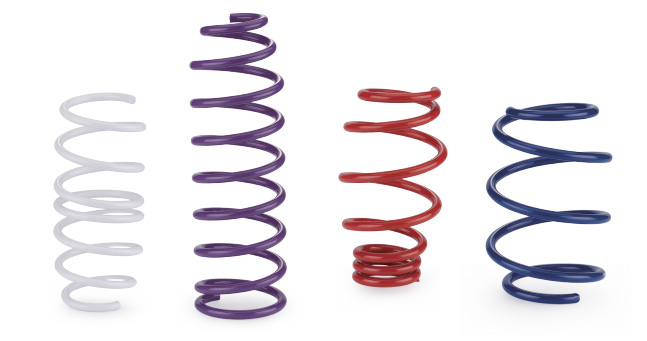 OE-vaihtoauton jousitusjouset vakioajoneuvoihin Nämä OE-vaihtojousitusjouset on suunniteltu palauttamaan tehtaan ajokorkeus ja kuormituskyky vastaamaan alkuperäistä vaijerin paksuutta, kelojen lukumäärää ja vapaata pituutta turvallisuuden ja mukavuuden suunnittelua Näytä tuote →
 Kun vaihdat jousia vakioautoon, käytä alkuperäistä jousisuhdetta referenssinä. Vaihtojousi, jolla on sama lankapaksuus, kelojen lukumäärä ja vapaa pituus, lähettää tehtaan ajokorkeuden ja kantavuuden. Jos käytät alhaisempaa jousta, auto voi laskea pohjaan normaalissa kuormituksessa. Jos käytät voimakkaampaa jousta, ajo vaikeutuu ja iskunvaimennin ei ehkä pysty hallitsemaan lisättyä energiaa.
- Jos jousi on rikki tai roikkuu, vaihda jousipari samalla akselilla.
- Jos jousi on ehjä, mutta auto pomppii, voit vaihtaa ensin iskunvaimentimet.
- Jos ovat olleet kuluneet, vaihda samaa aikaan, jotta toinen osa ei aiheuta toisen ennenaikaista kulumista.
- Varmista, että jousinopeus ja kuormitus vastaavat ajoneuvon GVWR:ää.
Jotkut kaupat ehdottavat vain rikkoutuneen jousen vaihtamista. Se voi säästää rahaa tänään, mutta se ei auton käyttöä vinoon. Uudella jousella on erilainen väsymishistoria ja pienempi kuormituskorkeus kuin vanhalla toisella puolella. Vaihda jouset aina pareittain samalla akselilla.
Huonolaatuiset vaihtojouset ovat todellinen turvallisuusriski. Lämpökäsittelemätön jousi voi pettää äkillisen katkeamisen, epätasaisella tiellä tai hyvin kuormalla. Valitse toimittaja, joka voi dokumentoida lämpökäsittelynsä ja väsymistestinsä.
Päivitys vs. tehdasvaihto: mitä jousikurssi tarkoittaa
Jos haluat parantaa ohjattavuutta, matalampi tai jäykempi jousi voi muuttaa ajoneuvon käyttäytymisestä. Mutta oikea valinta siitä, kuinka käytät autoa. Päivittäisen työmatkalaisen tulee tehdäan jousinopeus ajomukavuuden ja renkaiden pidon säilyttämiseksi. Erillinen tela-ajoneuvo saattaa tarvita jäyke lineaarijousen johdonmukaista kaarreajoa varten.
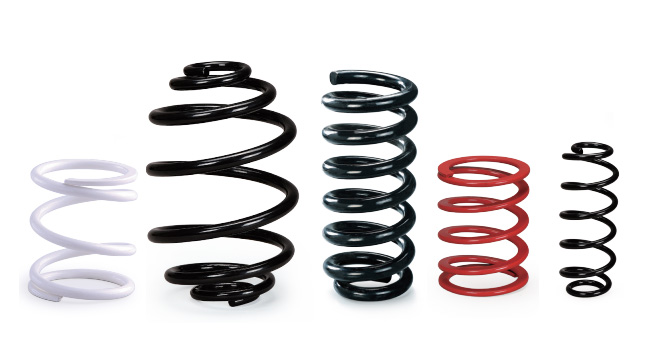 Muokatut ja off-road-ajoneuvojen jousitusjouset Nämä jousitusjouset on rakennettu modifioituja ja maastoajoneuvoja varten, ja ne tarjoavat parempaa kantavuutta ja kestävyyttä, kun taas progressiiviset vaihtoehdot sopivat ajo-olosuhteisiin parantaen ajettavuutta ja vakautta. Näytä tuote →
 Progressiiviset jouset alkavat pehmeämmin ja muuttuvat jäykemmiksi puristuessaan. Ne toimivat hyvin katuautoissa, jotka joskus kuljettavat kuormia ja joskus ajavat tyhjänä. Lineaarisilla jousilla on vakionopeus, mikä voimakkaammin virittää tehokkaaseen asennukseen. 20 %:s jousitaajuudella voi vähentää korin kallistusta lisän mutta se myös enemmän tien törmäystä alustaan ja kuljettajan istuimeen.
Jousen sovittaminen iskun iskuun on yleinen virhe. Jos lasket auton lyhyemmällä jousella, mutta säilytät alkuperäisen iskun, iskunvauhti ei ehkä ole riittävän paluumatkaa ja iskunpysäytin vaimentaa iskuja. Auto voi ajaa huonommin kuin ennen. Muokattu jousi tulee valita yhdessä aiotun iskuliikkeen kanssa.
Muista, että auton laskeminen iskuliikettä huomioimatta voi vaarantaa pohjan laskemisen ja vaurioitumisen. Jousen vapaan pituuden on vastattava vaimennin saatavilla olevaa iskua. Hyvä muutossuunnitelma huomioi sekä jousi että iskunvaimenn yhdessä.
Usein kysytyt kysymykset
varat vaihtaa iskunvaimentimet vaihtamatta jousia?
Kyllä, kunhan jousi ei ole rikki, murtunut tai väsynyt. Jos iskunvaimentimilla on ajettu yli 60 000 km, ovat jousetkin yleensä menettäneet jonkin verran kantavuutta. Molempien vaihtaminen palauttaa tasapainon.
Miksi autoni painuu uusien iskunvaimentimien asennuksen jälkeen?
Koska iskut eivät aseta ajokorkeutta. Jousi yksin määrää, kuinka korkealla kehossa. Vanhojen jousien uudet iskunvaimentimet jättävät edelleen auton roikkumaan, jos jousi on heikko.
Kuluvatko jous tai iskunvaimentimet tarkasti?
Iskunvaiment epäonnistuvat yleensä ensin, koska valita on hydrauliset tiivisteet ja liikkuvat osat. Jouset kestää pidempään, mutta ei saa laskeutua, ruostu tai katketa toistuvien kuormitusjaksojen aikana.
Mikä on turvallisen ajon korkeuden toleranssi?
Useimmissa henkilöautoissa 10 mm:n välinen ero on hyväksytty. Kaikki tämän lisäksi voi olla merkki kevätväsymyksestä. Katso aina ajoneuvon huoltokirjasta tehdastiedot.
Parantaako jäykempi jousi ajettavuutta?
Jäykempi jousi vähentää korin kallistumista ja voi parantaa ohjausvastetta, mutta vain, jos isku pystyy hallitsemaan sitä. Ilman vastaavaa iskua jäykempi jousi voi itse vähentää renkaiden kosketusta karkeilla pinnoilla.
Onko turvallista ajaa roikkuvan jousen kanssa?
Ei. Jousi ajoneuvon geometriaa, mikä voi vaikuttaa ohjaukseen, renkaiden kulumiseen ja ajovalojen suuntaukseen. Jos jousi on murtunut, se voi rikkoutua milloin tahansa ja aiheuttaa äkillisen hallinnan menetyksen.
Mitä minun pitäisi tehdä, jos budjetoidaan vain yksi vaihto?
Aseta kevät etusijalle. Rikkoutunut jousi on turvallisuusriski, joka voi sammuttaa auton. Epäonnistunut isku on mukavuusongelma, vaikka se vaikuttaa myös jarrutusmatkaan. Vaihda jousi ensin ja valitse iskut seuraavan valvontan jälkeen.
Johtopäätös ja käytännön ostoneuvoja
Yksinkertaisin muisto on, että jouset pitävät auton pystyssä ja iskut estävät autoa pomppimasta. Kun teet diagnoosin, aloita ajokorkeudella ja siirry sitten pomppimiskäyttäytymiseen. Jos jousi on rikki, vaihda pari. Jos iskunvaimennin vuotaa tai auto jatkuu pomppimista, vaihda iskunvaimentimet.
Jos ovat kuluneet samaan aikaan, vaihda ne yhdessä. Tämä säästää työvoimakustannuksia ja antaa ajoneuvolle mahdollisimman läheisen alkuperäisen tehdasajon. Jos olet epävarma oikeasta spesifikaatiosta, ota yhteyttä suunnittelutiimiimme ajoneuvon VIN-numerolla tai alkuperäisellä osanumerolla. Voimme auttaa sinua hallitsemaan ensisijaisen jousi määrän, vapaan pituuden ja pinnoitteen varsinaiseen sovellukseesi.
Muista, että laadukas jousi, joka on valmistettu korkealaatuisesta teräksestä ja oikein siivottu, voi paljon pidemmän väsymisiän kuin halpa irti. Kysy toimittajaltasi testeistä, ongelma hän jokaiselle erälle.